Peyronies Disease

(Pay-roe-neez)

Peyronies Disease

(Pay-roe-neez)

It may not bother you or you may be embarrassed to talk about it, but your sexual health is as important as other aspects of your health – we are here to help!


What is Peyronies disease?

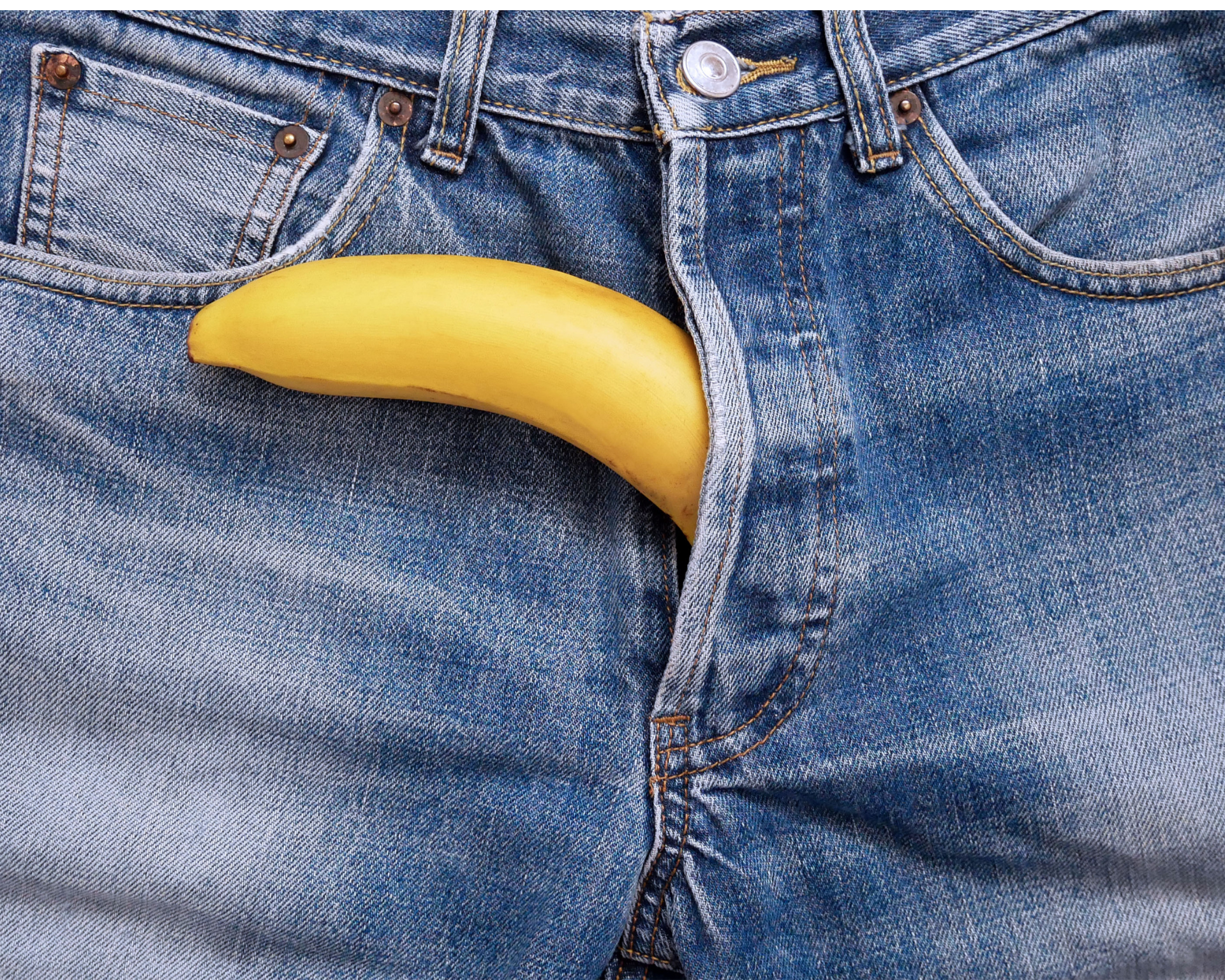
Penises come in all different shapes and sizes and having a curved erection isn't necessarily a cause for concern. Peyronies disease occurs when a scar from a trauma has not been reabsorbed into the circulatory system but sits in the erectile tissue and hardens over time. The thickened connective tissue (called plaques) can develop as a result of trauma during intimacy, during life or develop over time without incident. If the thickened tissue progresses, it can result in curvature of the penis which may contribute to painful or difficult intimacy or difficulty maintaining an erection.

Signs and symptoms of Peyronies disease?

  • Have you noticed a change in the shape or bend of your penis?
  • Do you feel pain in your penis that may occur with or without an erection?
  • Have you noticed a shortening of the penis?
  • Can you feel scar tissue under the skin of the penis as small rice grains, lumps or a band of hard tissue? 
  • Can you see a significant bend to the penis, this may be a curve upward or bend to one side. 
  • Have you been diagnosed with Peyronie’s disease?

Peyronies Disease uncovered?

  • Having a close family member with it does increase your likelihood of developing it
  • With connective tissue disorders, you may be more at risk
  • It will not usually affect your fertility but it may stop you from having sex, or sex may be more painful and possibly more difficult
  • It is not contagious or cancerous but often causes you anxiety and distress
  • Can be more common post prostate surgery

How can we help?


Physiotherapy help for Peyronies disease?

If you have been diagnosed or believe that you may have Peyronies disease, our team can liaise with other medical professionals such as a urologist to assist in the diagnosis and management. 


Physiotherapy treatment options available are:

  • Therapeutic ultrasound treatments to reduce the size and thickness of the plaque
  • Advice on self-massage with Vitamin E cream/oil to break up plaque
  • Stretches to release tension around the groin and pelvic floor
  • Pelvic floor muscle relaxation and control
  • Pump therapy to increase penile length - reduce hourglassing and improve internal stretching of erectile tissue
  • A personalise approach


Related Blogs

By Kylie Conway March 18, 2026
Pelvic Health Is for Everyone Pelvic health is often talked about as a women’s issue, but in reality it affects people of all genders across every stage of life. The pelvic floor is a group of muscles and connective tissues that support the bladder, bowel, and reproductive organs. These muscles also play a role in sexual function and everyday movements like lifting, bending, coughing, or laughing. Because they are involved in so many aspects of daily life, looking after pelvic health is important for everyone. Pelvic health concerns can show up in many different ways. Some people experience bladder leakage, urgency, constipation, or changes in bowel habits. Others may experience pelvic girdle pain, including discomfort around the sacroiliac joints, pubic symphysis, or coccyx (tailbone). Pelvic pain can also occur in the lower abdomen or in the genitals and may affect comfort with sitting, exercise, or sexual activity. These symptoms can affect people of any gender, yet they are often not openly discussed. Pelvic floor challenges can appear at different stages of life. Children may experience constipation, bedwetting, or daytime bladder accidents. Adolescents and adults may notice pelvic pain, bladder urgency, or bowel changes. Men may experience pelvic pain or bladder symptoms, including leakage, particularly after prostate surgery. Older adults may notice changes in bladder or bowel control or pelvic comfort as the body changes with age. While these experiences are common, many people are surprised to learn that help is available. Hormones also play an important role in pelvic health for people of all genders. Changes in hormone levels; during puberty, pregnancy, menopause, or as part of gender-affirming hormone therapy, can influence tissue health, bladder control, sexual function, and comfort in the pelvic region. Understanding these changes and supporting the body with the right care can make a meaningful difference. Pelvic health physiotherapy offers practical support, education, and treatment for many of these concerns. Physiotherapists can help people better understand their pelvic floor, improve bladder and bowel habits, manage pelvic girdle or pelvic pain, and support comfortable movement in daily life. Often, small changes can make a big difference to daily comfort and confidence. Pelvic health isn’t limited to one gender or one stage of life. By talking about it more openly and recognising the many ways it can affect the body, we can make it easier for everyone to seek support and care for their pelvic health.
Peyronies Disease
By Alex Lopes March 1, 2025
We cover what is peyronies disease and conservative and surgical approaches to this condition. At Pelvic Health Melbourne we offer support and treatment for curvature, pain, and difficulty with intimacy.
By Kylie Conway December 11, 2023
Incontinence, intimacy pain and initial appointment all start with the letter I and are all related to pelvic health. How can we help?
June 16, 2021
Penises come in all different shapes and sizes and having a curved erection isn't necessarily a cause for concern. But, if this is something you've noticed, you may like to read on. ..

Our team

More Information

Find out more about Peyronies Disease